


Blog
The SWJEN Clinic for Women blog posts provide trusted perspectives in Obstetrics and Gynaecology, covering pregnancy care, women's health and topics relating to termination of pregnancy.


How Counselling Supports Women During Abortion
For many women considering an abortion, the process involves far more than choosing a procedure. It often includes sorting through uncertainty, personal circumstances and quiet doubts that are hard to voice out loud. Even when the choice feels clear, the emotional side of the process can still feel overwhelming.
Are Abortion Pills Cheaper Than Surgical Abortion?
Cost is often one of the first questions that comes up when considering an abortion, especially when choosing between pills and a surgical procedure. Abortion pills are commonly seen as the more affordable option, yet price alone rarely reflects the full picture. Factors such as gestational age, medical suitability and what the process involves can all influence both cost and experience.

How Soon Do Periods Return After an Abortion?
For many women, one of the most common questions after an abortion is when their period will return and what that timing actually means for recovery. The return of menstruation is more than just a date on the calendar. It signals that your hormones are settling and your body is beginning to regulate itself again. While there is a typical timeframe, every woman's experience is slightly different. Read on as we explore what affects the return of your period, what is considered normal and when it may be time to seek medical advice.

How Early Can You Get An Abortion?
Your period is late. Maybe it's stress, maybe it's travel, or maybe it's that quiet thought you've been pushing aside. The waiting, the guessing and the constant checking of the calendar can feel overwhelming. If you are facing an unexpected pregnancy, one of the first questions that often comes up is how soon you can take action and what your choices actually are.
Is Abortion Painful?
Abortion is a safe procedure for ending a pregnancy. However, the decision can be challenging due to various factors. One of the most common concerns for women considering abortion is whether the process will be painful. Understanding what to expect can significantly reduce fear and anxiety, empowering patients to feel more in control and supported throughout their journey.

Why an Ultrasound Is Important Before Abortion
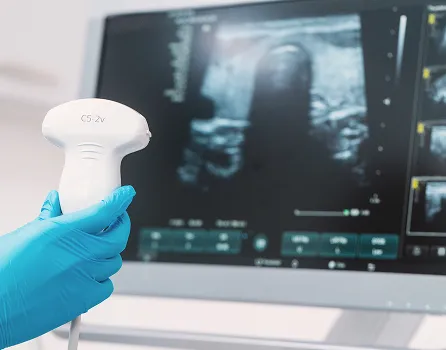
Before proceeding with an abortion, a pre-abortion ultrasound is highly recommended for confirming pregnancy viability, determining gestational age, and ruling out certain conditions. Ultrasound technology uses high-frequency sound waves to create real-time images of your internal organs.

Supporting a Loved One Having an Abortion
Supporting someone going through an abortion involves understanding their emotional, physical, and mental needs during this complex time. True support means respecting their decision without judgment, offering empathy, and providing a safe space for them to express their feelings.

What You Need to Know About Surgical Abortion
Surgical abortion is a safe and effective medical procedure for ending a pregnancy, typically performed in a clinic or hospital setting. Learn everything you need to know about the procedure, from preparation and anaesthesia to the procedure itself and recovery, to help you feel more informed and prepared.

Top 4 Myths and Facts About Medical & Surgical Abortion
Abortion is a medical procedure used to end a pregnancy and is typically performed through one of two methods: medical abortion or surgical abortion. While both are safe and widely practised, abortion remains a topic often clouded by myths and misinformation.

How Abortion Pills Work: A Comprehensive Guide
The abortion pill, also known as medical abortion, is used to terminate an early pregnancy typically up to seven weeks gestation. It involves the use of two types of medications that work together to terminate a pregnancy effectively: mifepristone and misoprostol.

Understanding the Side Effects of the Abortion Pill
An abortion pill is a combination of two medications taken at different times to terminate a pregnancy. The first medication, mifepristone, works by blocking the hormone progesterone to halt pregnancy growth. This is followed by a second medication, called misoprostol, which is typically taken 48 hours later. It works by softening the cervix (the opening to the uterus or womb) and causing the uterus to contract and expel pregnancy tissue. This method can be used for women who are pregnant for approximately seven weeks.
What is a Missed Abortion?
One lesser-known complication in pregnancy that can take expectant parents by surprise is a missed abortion. In this article, we will find out what a missed abortion means, how it differs from other types of pregnancy loss, and possible signs that may indicate something is wrong.

7 Important Facts to Know about Abortion
Abortion refers to the termination of pregnancy. There are many reasons why women choose to have an abortion, such as financial issues, serious medical conditions, or pressure from family and peers. Whatever the reason, the decision is purely personal, but by no means less difficult or emotional to make.

The Importance of Family Planning
While the term "family planning" is often used synonymously with birth control, family planning is more than just about using contraception. From providing sexuality education to reproductive healthcare services, it poses numerous benefits for the wellbeing of both mother and child, as well as for the family and their community at large.

Finding the Right Abortion Clinic in Singapore
Finding the right abortion clinic is important when you make the decision to terminate an unplanned pregnancy. In the skilful hands of a licensed and experienced doctor, abortions are very safe and pose minimal risks to the overall health and well-being of the woman.

Caring for Yourself after an Abortion
Abortion, when done by an accredited doctor in a sterile and well-equipped environment, is a very safe procedure. Depending on the length of gestation, the method used to abort an unplanned pregnancy varies, from vacuum aspiration to dilation and evacuation (D&E). Following any abortion surgery, the woman is provided with a set of aftercare instructions that will help facilitate full and speedy recovery.

Pregnancy after an Abortion
Abortion is a legal procedure in Singapore that is well-established and safe when performed by an accredited and experienced professional. Despite its proven safety and accessibility, myths persist, one of which being the idea that abortions cause infertility.
Meet Our Doctor

Dr Jen Shek Wei
Consultant OBGYN & Abortion Doctor
MBBS (Singapore), MMed (O&G) (Singapore), FRCOG (London), FAMS (Singapore)
MBBS (Singapore), MMed (O&G) (Singapore), FRCOG (London), FAMS (Singapore)
With over 30 years of experience, Dr Jen is a dedicated gynaecologist and abortion doctor known for his compassionate approach and unwavering commitment to women’s health.
After completing his medical training in Singapore and the United Kingdom, Dr Jen served in several public hospitals before establishing his clinic in Ang Mo Kio to provide accessible care to the community.
Dr Jen has published numerous academic articles in the field of OBGYN and was recognised as a Fellow of the Royal College of Obstetrics and Gynaecologists (London) in 1999.
Today, he continues to provide high-quality, personalised and supportive care to all patients that he sees.