

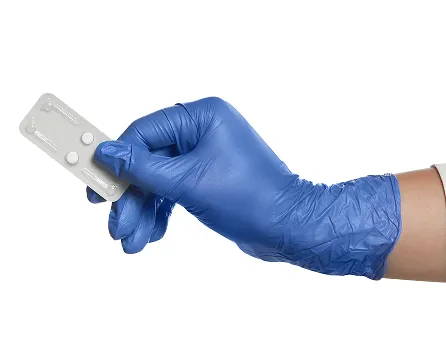

Contrary to popular belief, abortion pills should always be medically supervised by an accredited gynaecologist to ensure a safe and complete abortion.
What to Expect After Taking an Abortion Pill
Abortion pills, administered under the supervision of a qualified doctor, are generally a safe and effective method of terminating an early pregnancy. However, it is important to be aware of their potential side effects to better prepare for any possible outcomes.
Some commonly reported side effects of abortion pills include:
Cramping
It is normal to experience abdominal pain and cramps two to four hours after taking the second medication (misoprostol). These sensations can range from mild to intense but will resolve within a few days or weeks and can be managed with prescribed painkillers.
Vaginal Bleeding
After taking misoprostol, women typically experience vaginal bleeding for the first few hours. This bleeding is sometimes heavier than a regular menstrual period, as the body eliminates pregnancy tissue from the uterus. Bleeding or spotting may persist for several days but should lighten and subside after about two weeks. The doctor may recommend using sanitary pads for a few days.
Nausea
Some women may experience nausea, vomiting, or diarrhoea after taking the second medication (misoprostol).
Fever or Chills
It is also possible to experience mild fever and/or chills on the day of taking an abortion pill.
When Should I Seek Medical Help?
Most women who take abortion pills exhibit the expected side effects with no complications. However, there are some possible complications that you should be aware of, as they require immediate medical attention:
Incomplete Abortion
This occurs when the body has not completely expelled all foetal content or pregnancy tissue from the uterus. Common symptoms include severe cramping or abdominal pain and prolonged, heavy bleeding. If left untreated, remaining tissue on the uterine wall can cause severe complications, such as pelvic infection, haemorrhaging, and discomfort, requiring additional surgery.
Heavy or Persistent Bleeding
If the patient experiences continuous, heavy bleeding that soaks two or more sanitary pads per hour for two hours in a row, seek medical help right away.
Blood Clots
Aside from severe bleeding, passing blood clots larger than a lemon or the size of a clenched fist for two hours or more is a potential sign of complication.
Infection
Having a fever above 38°C that lasts for more than 24 hours after taking an abortion pill can be a sign of serious infection. After the pregnancy tissue is expelled, an internal wound may form that may become infected with bacteria from the vaginal region.
Severe or Persistent Pain
Abdominal pain or cramps that become worse over time or do not subside with over-the-counter painkillers should be addressed immediately.
Vaginal Discharge
A discharge in the vagina that is typically dark yellow, brown, or green in colour and causes itching or pain, as well as a fishy or foul odour may indicate a vaginal infection that needs to be managed promptly.
Should you notice any persistent or worsening side effects, or if you have concerns about the abortion process, do not hesitate to seek medical help right away. A follow-up exam with a gynaecologist will also be scheduled following a medical abortion to ensure the abortion is complete and no pregnancy tissue remains in the uterus.